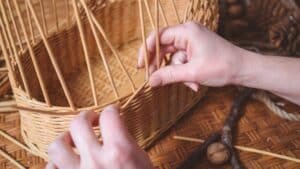
There is something almost defiant about weaving a basket in a world addicted to plastic.
Some call it a “lost art,” as if it vanished quietly into the attic with butter churns and hand-sewn quilts. But basket weaving never disappeared. It simply slipped out of the spotlight. All across the country, in church basements, art centers, living rooms, guild halls, and convention spaces, hands are still soaking reed and weaving beauty from the earth.
About 10 years ago, my sister and I were on a craft quest. We took classes in chain maille, polymer clay, resin jewelry, silver clay and probably a few others I can’t recall. The one that captivated us was basket weaving, as we took a beginners class at a magical place in a Chicago southwest suburb called The Center. It was the beginning of a wonderful journey. Here in Illinois, most of us belong to the Land of Lincoln Basket Weavers Association, where you can learn about events in this area.
Baskets Existed Way Back When
Basketry is one of the oldest human crafts. Long before pottery, before metalwork, before written language, there were baskets. Archaeologists have uncovered woven fragments dating back thousands of years – some as old as 10,000 years.
Baskets were not decorative indulgences. They were survival.
They were used when gathering food.
They stored grain.
They carried babies.
They trapped fish.
They winnowed seeds.
They held daily life together.
Before shelves and cabinets and shipping containers, there were baskets.
Today, basket weaving is alive in quiet but vibrant communities. There are regional guilds that meet monthly to share techniques and swap materials. There are national conventions where weavers attend workshops, study traditional forms, and learn from master artisans.
Each Basket Tells a Story
When I sit down to weave, I become aware of time in a different way. There is no rushing the process. The reed must be soaked just long enough to become pliable but not mushy. Stakes must be evenly spaced. Tension must remain consistent. If I force it, the material rebels. If I neglect it, the structure weakens.
Weaving is partnership. For us, it has become a fellowship of sweet women who share a passion for the craft and for life! We gather together to touch base and weave, and the more skilled are available to guide and teach the less skilled. I fall in the latter category!
Unlike plastic bins, baskets feel alive.
And then there is the beauty.
The curve of a handle.
The rhythm of an over-under weave.
The geometric dance of color when dyed reed is introduced.
Light moves differently across woven surfaces. Shadows gather in the spaces between stakes. Texture invites touch.
The Work of Human Hands
In an age of mass production, a handmade basket carries the imprint of the maker’s hands. Slight variations are not flaws; they are signatures. The bottom may tilt ever so slightly. One row may tighten more than the last. These differences whisper: A human made this.
It is not solely nostalgia that keeps this craft alive.
It is need.
We crave slow work in a fast world.
We crave tactile connection in a digital age.
We crave objects that last longer than a season.
Basket Weaving Answers That Craving
There is something profoundly grounding about transforming reeds into a vessel capable of holding weight. It reminds us that usefulness and beauty do not have to compete. They can coexist. They always have.
Far from being lost, basket weaving endures because it satisfies something ancient in us. The same impulse that moved our ancestors to gather grasses and twist fibers still stirs in modern hands.
We still want to make something that can carry.
Food.
Clothing.
Tools.
Stories.
Memory.
A basket is humble. It does not demand attention. But it is foundational. It supports daily life quietly, faithfully, beautifully.
And perhaps that is why it continues to endure.
Not as a relic.
But as a living, breathing art form – woven, one strand at a time. Sound interesting?
To begin exploring this art, a good place to start is The National Basketry Organization.
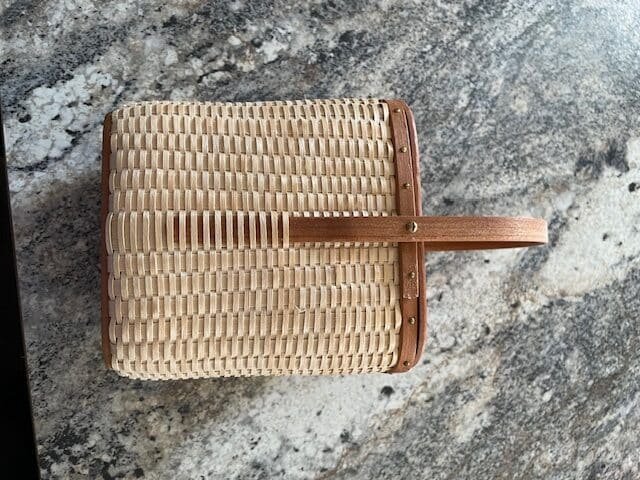
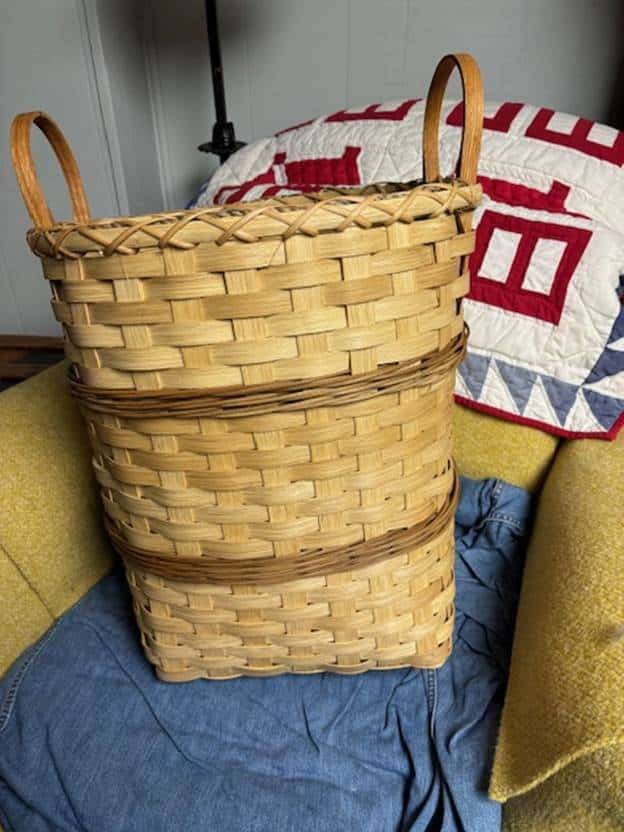
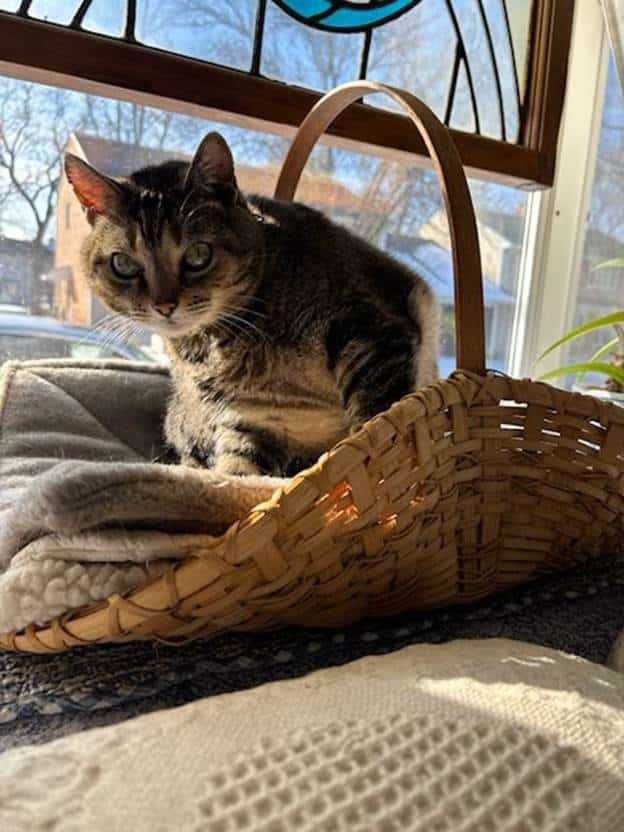
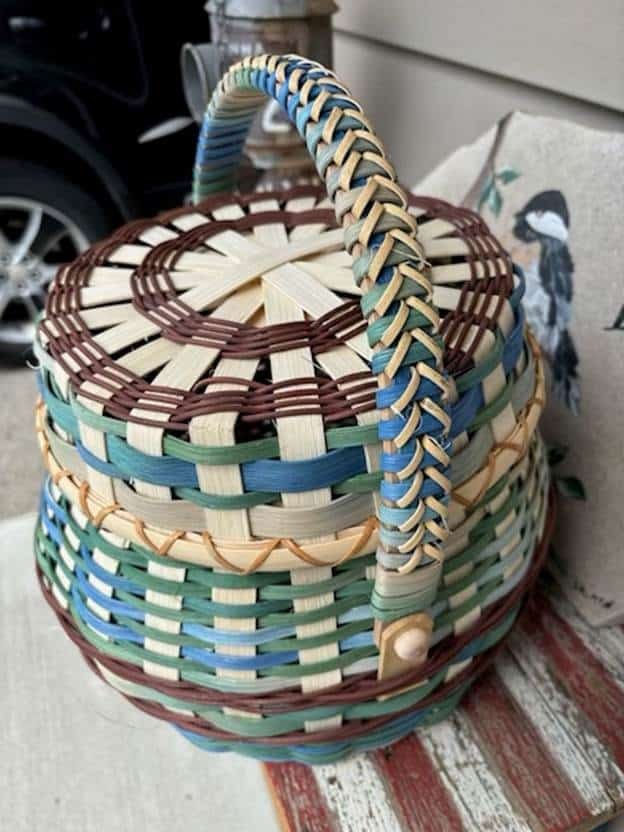
Below are some baskets made by me, my sister, and a couple of friends.
Baskets woven by Christine Moriarty Field:
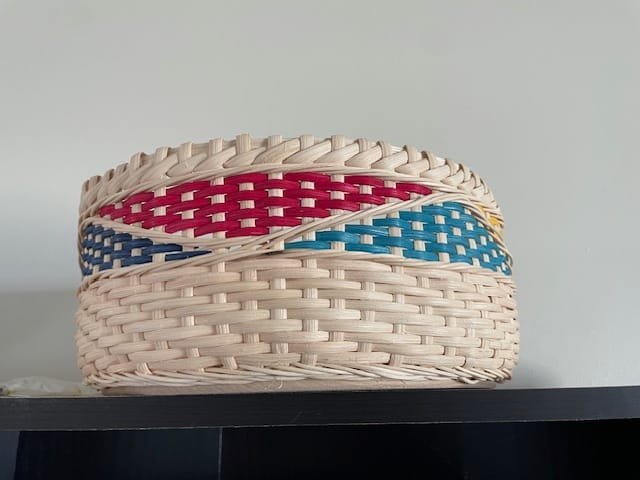
Baskets woven by Eleanor Champagne (my sister):
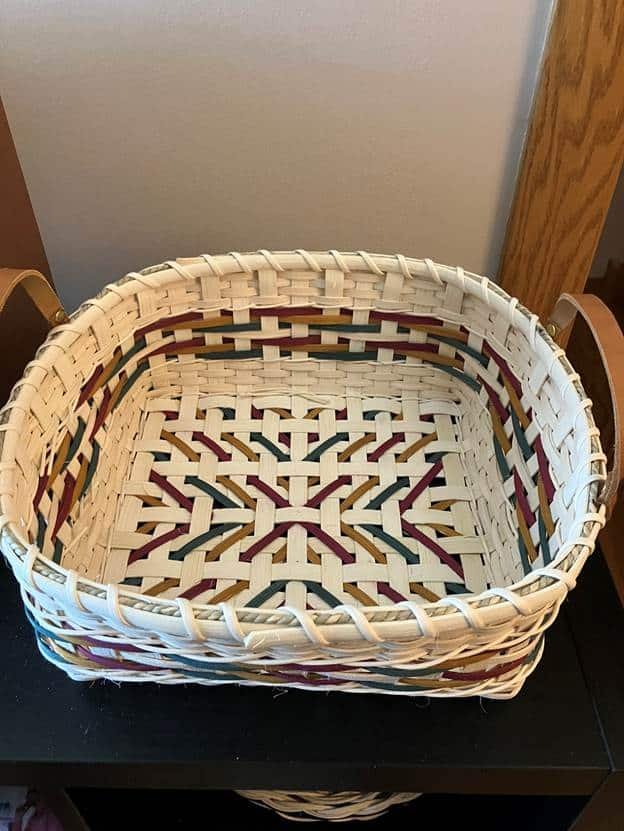
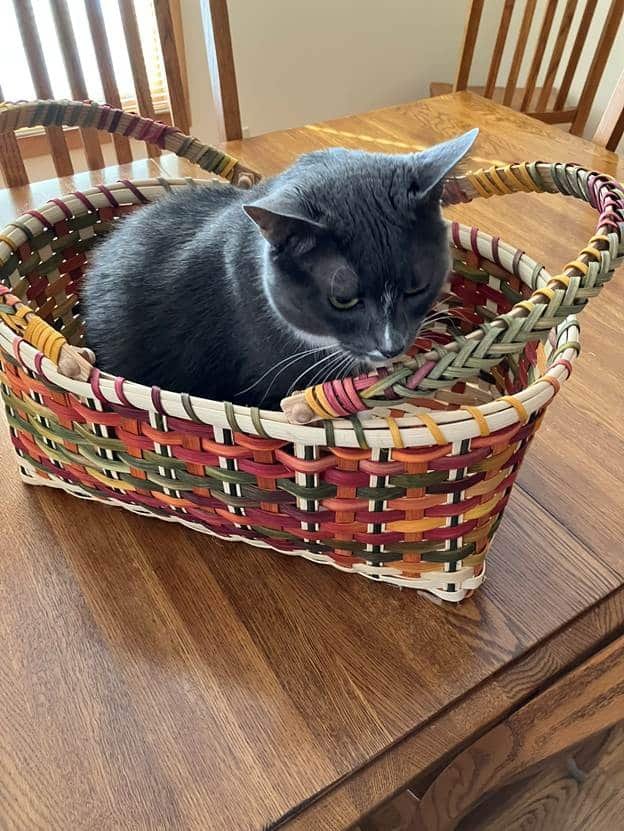
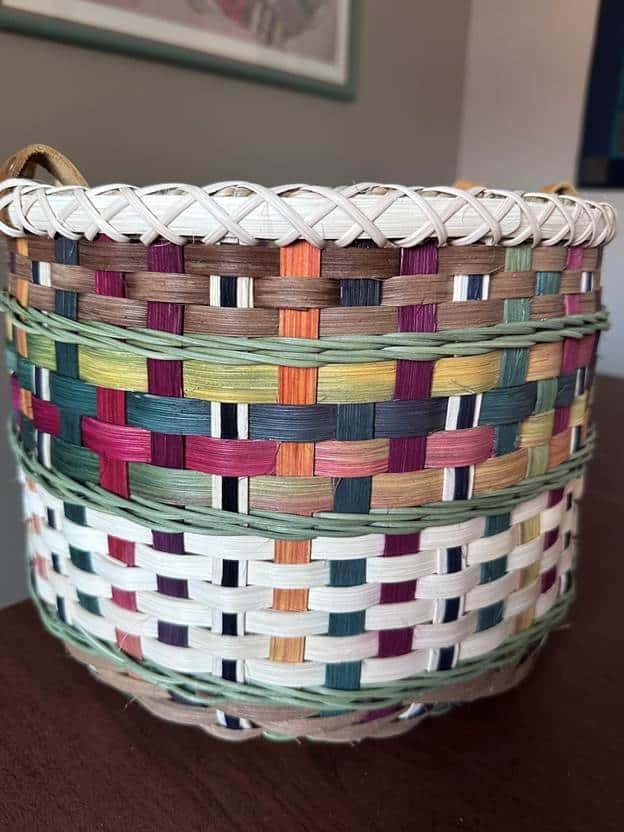
Baskets woven by Terry Sanders:
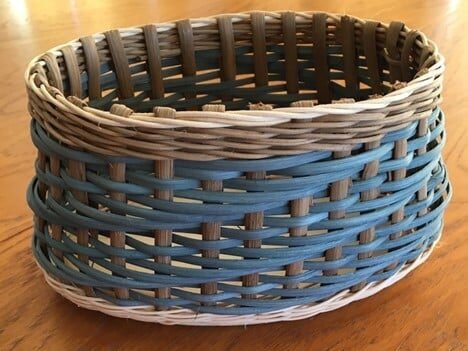
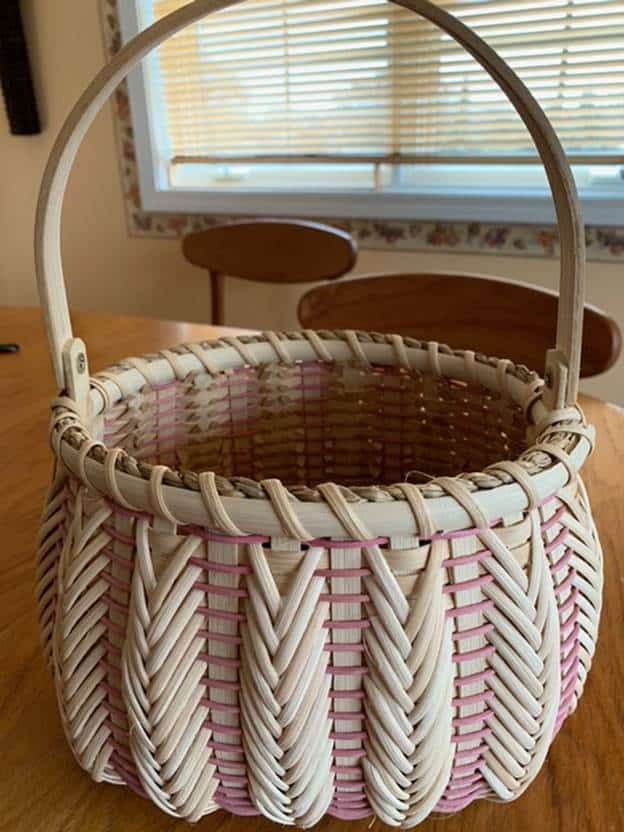
Baskets woven by Jane Dwyer:
Let’s Have a Conversation:
Have you tried basket weaving? What other hobby/craft have you tried that seems old and forgotten?