
When the image is new, the world is new.
― The Poetics of Space
Aging in Place:
Designing a Life You Want to Age Into/Lifestyle Design for an Aging Population
As the global population ages, the idea of “lifestyle design” is shifting from a luxury of the young to a vital conversation for people in their 50s, 60s, and beyond. Lifestyle design for older adults isn’t about reinvention for reinvention’s sake—it’s about creating a life that supports purpose, autonomy, connection, and health in the years ahead. Whether it’s choosing where to live, how to spend time, or what legacy to build, older adults are increasingly rejecting outdated stereotypes and designing lives that reflect who they are now—not who society assumes they should be.
Successful lifestyle design involves intentional choices across multiple domains: housing (aging in place or downsizing), meaningful activity (volunteering, learning, mentoring), health (fitness routines adapted to aging bodies), and social connection (community involvement, intergenerational living). Tools like the AARP “HomeFit Guide”, the Stanford Life Design Lab, and Blue Zones Life Plan offer free frameworks to help you align your values, routines, and environment with your long-term well-being. It’s about looking ahead and asking: What kind of life do I want to be living when I’m 70, 80, 90—and how do I begin shaping that now?
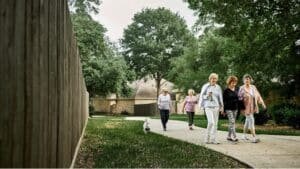
For those just getting started, begin with small, thoughtful steps: journal about what gives you energy, take a walk through your neighborhood and imagine staying there long-term, or explore resources like Encore.org, AARP’s Life Reimagined, or The National Institute on Aging’s planning tools. Lifestyle design is not chasing youth, it’s about creating the conditions for a joyful, engaged, and empowered older adulthood. After all, aging isn’t something that happens to you—it’s something you can design for.
See
Lifestyle Design for an Aging Population: A Checklist
Aging is not something that simply happens to us—it’s something we can actively design for. Use this checklist to begin building a lifestyle that supports purpose, autonomy, connection, and health as you age.
Housing & Environment
- Download and review AARP’s HomeFit Guide to assess your current living space.
- Consider future-proofing your home with universal design features (e.g., grab bars, zero-step entry).
- Decide whether aging in place, downsizing, or co-housing is right for you.
Health & Mobility
- Create a fitness routine tailored to your current abilities (consider yoga, tai chi, or walking).
- Schedule regular checkups and preventive screenings.
- Explore nutrition plans that support healthy aging (such as those from Blue Zones Life).
Purpose & Learning
- Identify what gives you meaning, volunteering, mentoring, creating, or teaching.
- Set a personal goal to learn a new skill or hobby (consider online platforms like Coursera or MasterClass).
- Check out the Stanford Life Design Lab for inspiration and exercises.
Social Connection
- Evaluate your social circles, who energizes you, and who might you reconnect with?
- Look for intergenerational activities or community groups that align with your interests.
- Explore resources from Encore.org to get involved in purpose-driven community work.
Tools & Resources
- Visit https://www.aarp.org/livable-communities/homefit/ for the AARP HomeFit Guide.
- Explore https://lifedesignlab.stanford.edu/ for Stanford’s life design resources.
- Learn more about healthy longevity at https://bluezones.com.
- Use https://encore.org/ to discover meaningful work and mentorship opportunities.
The post Designing a Life You Want to Age Into appeared first on Aging In Place.